

From Mickle’s Folly to Muskoka’s Pride: Gravenhurst Opera House Celebrates 125 Years
In 1900, the townspeople of Gravenhurst thought their mayor had lost his mind. Word spread through the small Muskoka community that Mayor Charles Mickle was building an opera house – complete with fleur-de-lis stained glass windows shipped by boat from France and fancy brass electroliers costing $50 each. An opera house? In rural Ontario? The locals had a name for it: “Mickle’s Folly.”
On March 12, 1901, when the curtains rose on the first performance of Days of the Year, every skeptic in town fell silent. The grand building, designed by Canadian architect John Francis Brown for $12,000, was nothing short of magnificent. What the naysayers called folly would prove to be vision – a vision that has endured for 125 years.
In March 2026, the Gravenhurst Opera House marks its 125th anniversary with three days of celebration, honouring a building that has become far more than a theatre. It’s the cultural heartbeat of Gravenhurst, the birthplace of Canadian summer theatre, and a testament to what happens when a community refuses to let history fade away.

A Building Worth Fighting For
The story of the Gravenhurst Opera House is inseparable from the story of the people who saved it. Twice in its lifetime, this “Grand Old Lady” faced closure, and twice the community rallied to rescue her.
In 1967, the town faced a choice: tear down the aging opera house and build a modern community centre, or invest in preserving the historic building. When the votes were counted, a two-thirds majority chose heritage over convenience. The people of Gravenhurst understood they had something irreplaceable.
The second rescue came in 1993 when the Ministry of Labour closed the doors due to unsafe conditions. The building that had welcomed millions of patrons over nine decades suddenly stood dark and silent. An Opera House Renovation Committee formed, and the community opened their wallets and their hearts, raising over $3 million for an extensive renovation.
On February 24, 1995, after 15 months of construction, the Gravenhurst Opera House reopened to a full house for a performance by the Scarborough Philharmonic. The acoustics, praised as among the best in Canada, rang out once again. The Grand Old Lady was back.
The Birthplace of Summer Theatre in Canada
While the building itself is architecturally significant with its distinctive Victorian design and original proscenium arch, it’s the performances that have truly made history within these walls.
In 1934, Toronto actor John Holden arrived in Gravenhurst with a dream of reviving summer stock theatre in Canada. He brought his Good Companions Theatre Company to the Opera House, establishing what would become a legendary tradition. From 1948 through 1955, the Straw Hat Players performed 63 different productions, launching careers that would shape Canadian entertainment for generations.
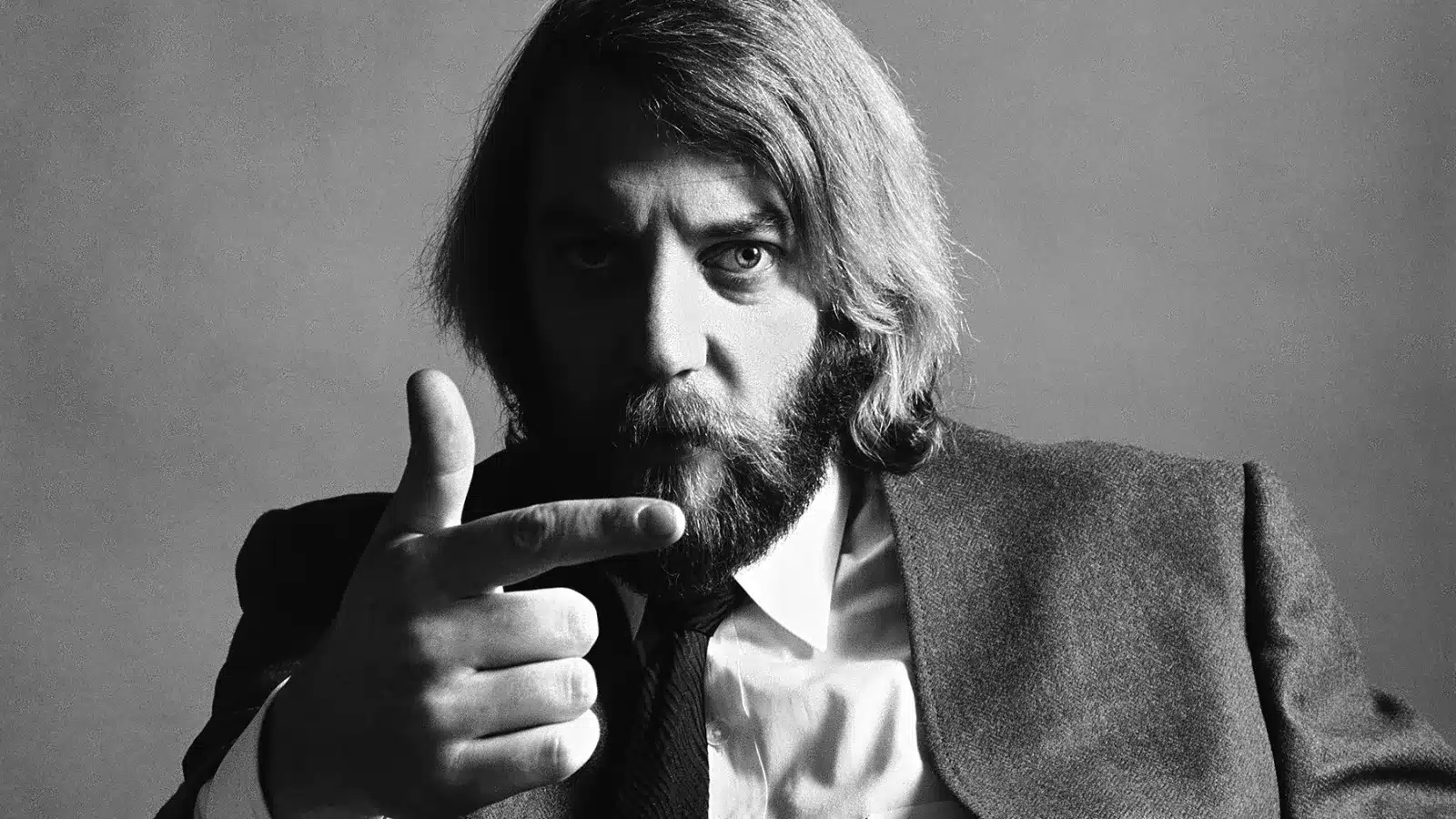
Walk through the Opera House today and you’re walking in the footsteps of greatness. This stage helped launch the careers of Donald Sutherland, Kate Reid, Ted Follows, Charmion King (Anne of Green Gables), Barbara Hamilton, and Araby Lockhart, names that would become synonymous with Canadian theatre and film excellence.
The tradition continued with the long-running Muskoka Festival from 1972 until 1992, hosting luminaries like Diana Krall, Chantal Kreviazuk, Peter, Paul & Mary, Jim Cuddy, and Marc Jordan. Today, more than 100 performances grace the stage annually, from professional theatre and concerts to stand-up comedy and community events.
More Than Entertainment
In the years before World War I, Gravenhurst was on the tour circuit for travelling stock companies from both Canada and the United States, presenting shows “complete in every detail with special scenery and electrical effects.” But the Opera House has always been more than an entertainment venue.
Important municipal decisions were made under this roof. Generations of children sat on Santa’s knee here. High school students performed their first plays on this stage. Couples exchanged wedding vows in front of the historic proscenium arch. During Winter Carnival, it served as the warming centre. Through world wars, economic depressions, and cultural shifts, the Opera House remained the place where Gravenhurst gathered.
More than 6 million people have walked through those front doors ,a staggering number for a building in a town of roughly 14,000 residents. Each visitor carries a memory: a child’s first theatre experience, a couple’s first date, a standing ovation that brought tears, laughter that echoed off the century-old walls.

A Living Legacy
Today’s Gravenhurst Opera House is a fully accessible facility with dedicated wheelchair seating, assisted hearing devices, an elevator to theatre and stage levels, and modern climate control that keeps audiences comfortable year-round. The building that skeptics once called a “white elephant” and “pricey indulgence” now stands as proof that Mayor Mickle’s vision was anything but folly.
The Opera House represents something increasingly rare: a historic building that doesn’t just preserve the past but actively creates the future. Every performance adds another layer to its rich tapestry. Every child who experiences theatre here might become the next generation of artists. Every community gathering reinforces the bonds that make Gravenhurst special.
“The opera house is a cherished part of the vibrant arts and entertainment scene in our community,” says Mayor Heidi Lorenz, “and we look forward to marking this special year with everyone who loves this historic downtown building.”
The Grand Old Lady is still standing. Still beautiful. Still beloved. And ready to celebrate.
